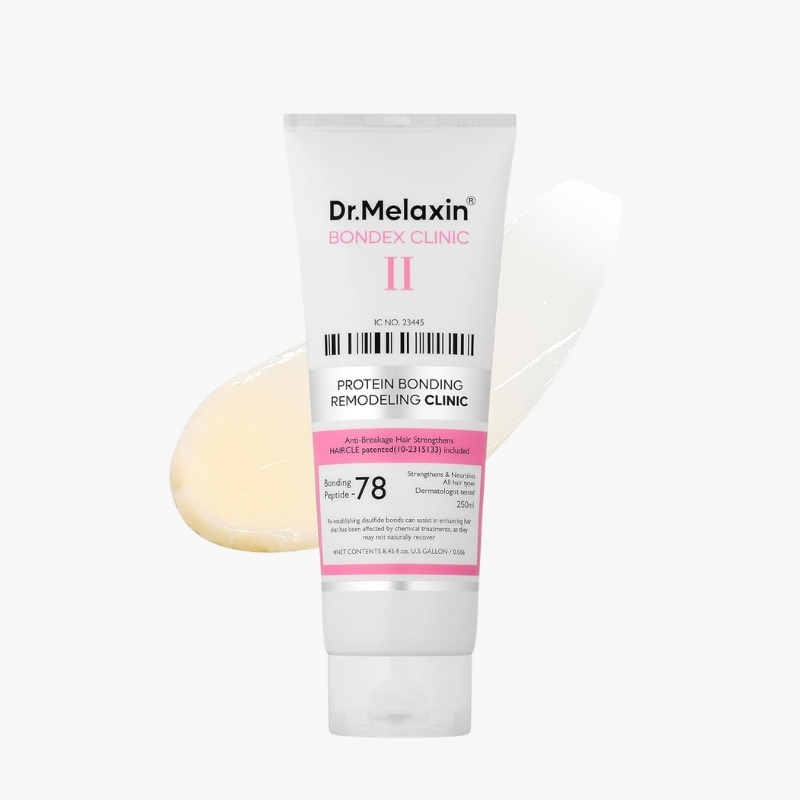
Bondex Protein Bonding Remodeling Clinic (250ml)
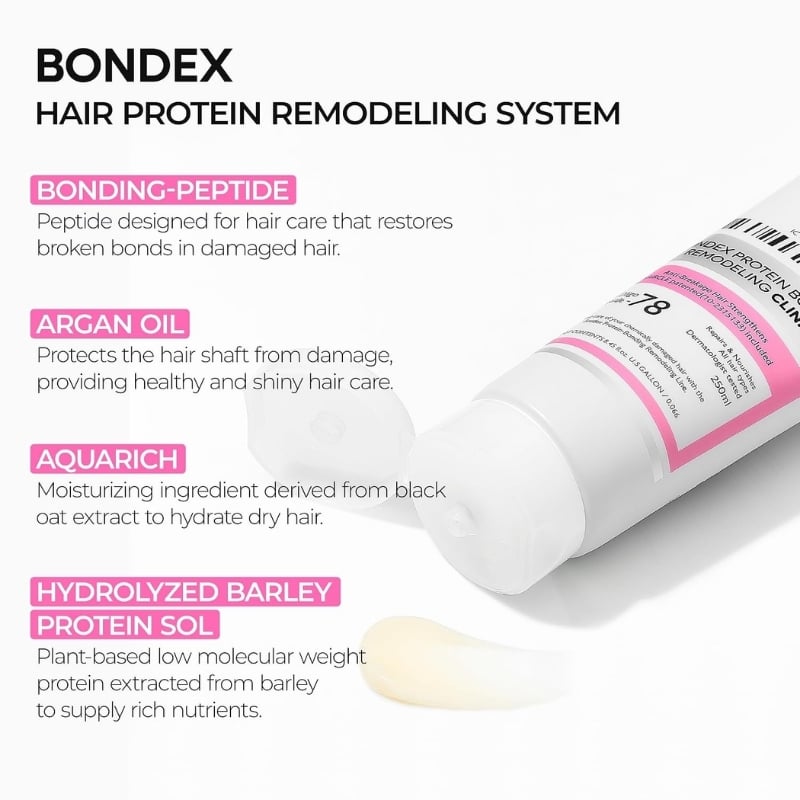
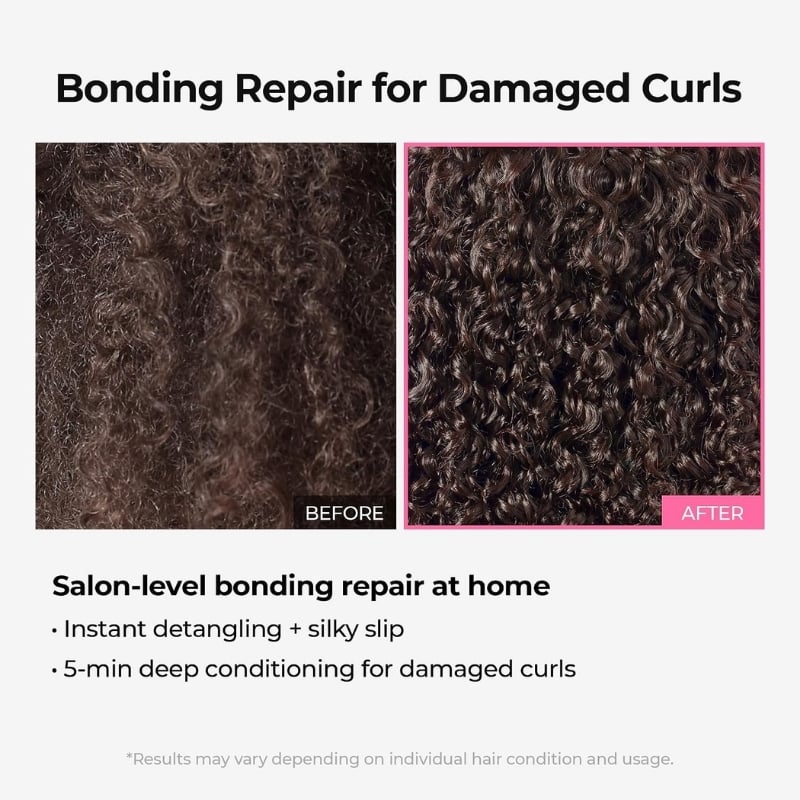
Dr.Melaxin Bondex Protein Bonding Remodeling Clinic is an intensive wash-off hair treatment designed for damaged, brittle and chemically stressed hair that needs greater softness, smoothness and resistance to breakage. The formula combines sh-Oligopeptide-78, marketed as Bonding Peptide-78, with Hydrolyzed Barley Protein, Argan Oil, Sunflower Seed Oil and powerful conditioning agents including Dimethicone and Amodimethicone. It coats, conditions and temporarily reinforces damaged hair fibres, helping rough lengths and split-looking ends feel smoother and more manageable after rinsing.
Benefits:
- Helps strengthen damaged-looking hair: sh-Oligopeptide-78, Hydrolyzed Barley Protein and conditioning ingredients support hair that feels weakened by colouring, bleaching, heat styling or everyday mechanical stress.
- Helps improve resistance to breakage: The supplied clinical information reports improved hair breakage resistance after use, while conditioning polymers and silicones help reduce friction that can contribute to further mechanical damage.
- Provides immediate softness: Cetyl Alcohol, Stearyl Alcohol, Dimethicone, Amodimethicone and cationic conditioners help leave rough hair noticeably smoother and softer after rinsing.
- Smooths split-looking ends: The formula helps coat and align damaged hair fibres so frayed ends appear smoother, although it cannot permanently fuse an already split hair shaft back together.
- Improves manageability: Behentrimonium Chloride, Behentrimonium Methosulfate and Steartrimonium Chloride provide conditioning and detangling benefits that make damaged hair easier to comb and style.
- Reduces friction and roughness: Dimethicone and Amodimethicone form a conditioning film over the hair surface, helping reduce snagging and improve slip.
- Provides protein-focused conditioning: Hydrolyzed Barley Protein and sh-Oligopeptide-78 complement the formula’s conditioning system for hair that feels porous, weakened or overprocessed.
- Nourishes dry lengths: Argan Oil and Sunflower Seed Oil provide emollient care to help dry hair feel softer and more supple.
- Adds a smoother, more polished finish: The combination of silicones, fatty alcohols and conditioning agents helps improve visible smoothness and shine.
- Works quickly: The treatment is designed to remain on freshly shampooed hair for only 1–3 minutes before rinsing, making it suitable for regular in-shower use.
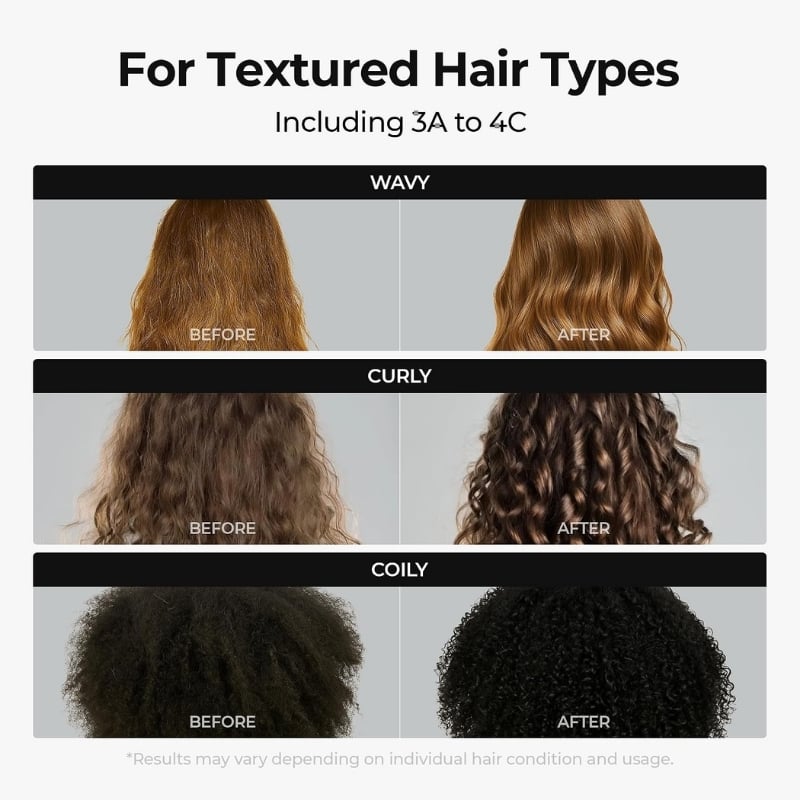
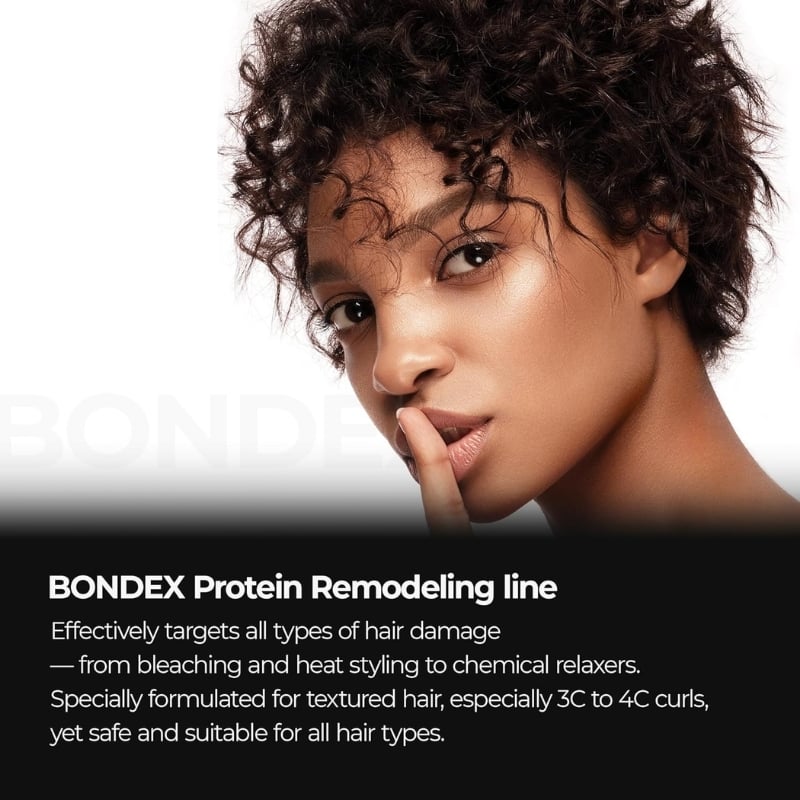
Hair Types: Straight • Wavy • Curly • Coily • Fine hair in small amounts • Thick hair • Colour-treated • Bleached • Chemically processed • Heat-damaged hair
Hair & Scalp Concerns: Breakage • Roughness • Dry lengths • Split-looking ends • Chemical damage • Heat damage • Porosity • Tangling • Loss of softness • Frizz • Dull-looking hair
Clinical Results:
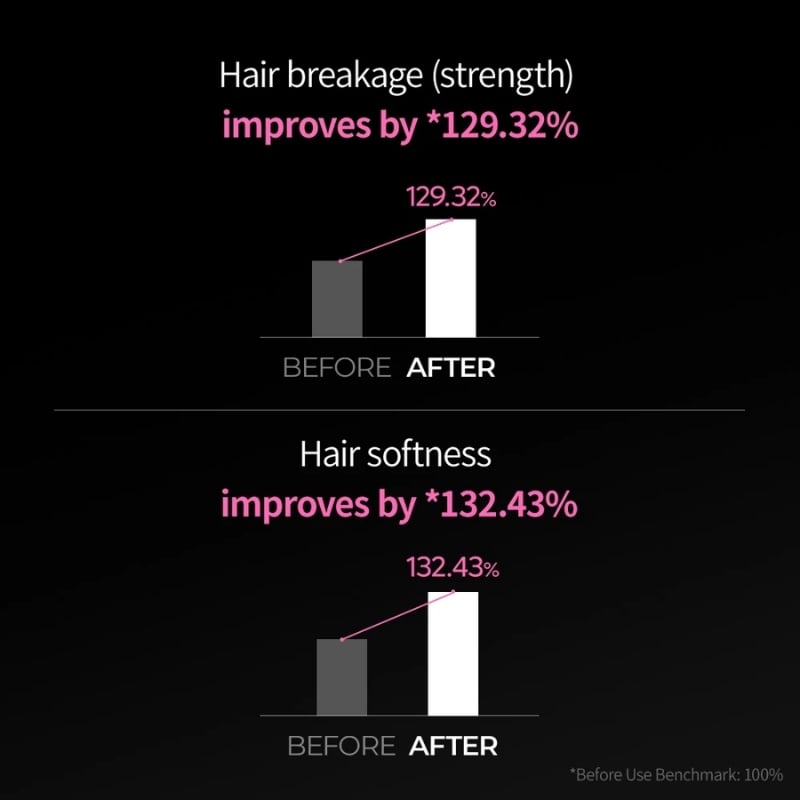
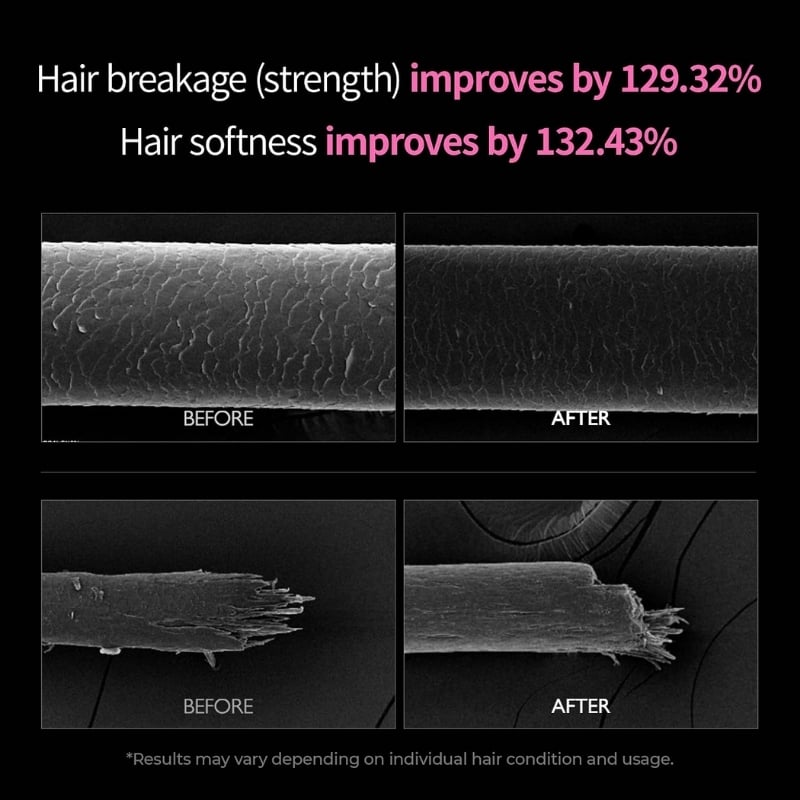
- Hair softness improved by up to 132.43%, according to the supplied clinical information.
- Hair breakage resistance improved by up to 129.32%, according to the supplied clinical information.
- The supplied information reports a 98% satisfaction rate for hair softness/product effectiveness. This is a participant satisfaction result and should not be interpreted as a 98% objective improvement in hair structure.
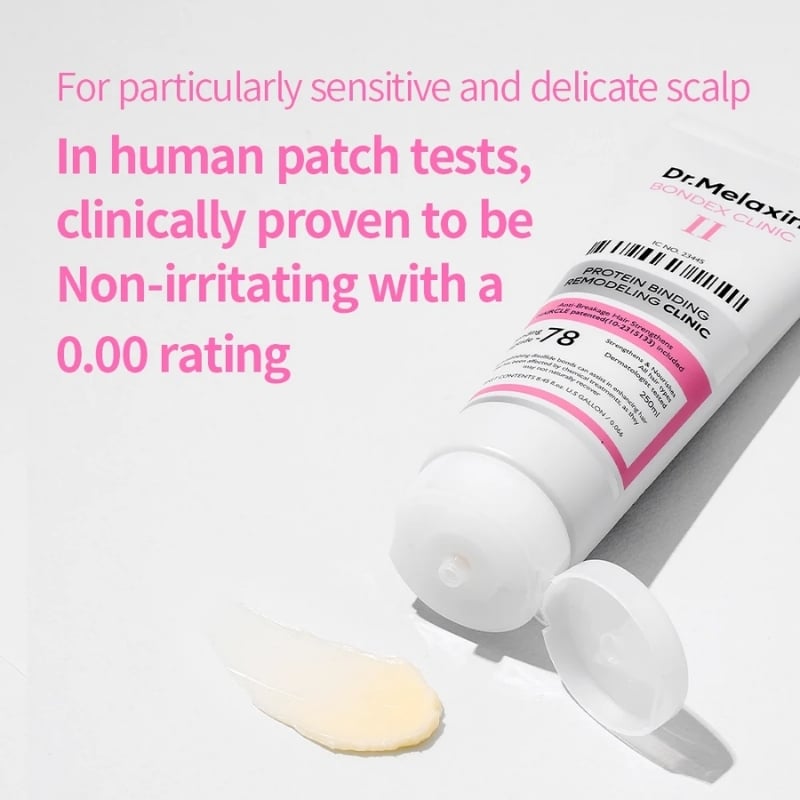
- The supplied product information also describes the formula as clinically tested as non-irritative/hypoallergenic.
- No testing institution, number of participants, test duration, assessment method or complete test protocol was supplied, so these details cannot be independently evaluated from the provided information.
- Individual results may vary according to hair condition, previous chemical processing and frequency of use.
Formula Notes:
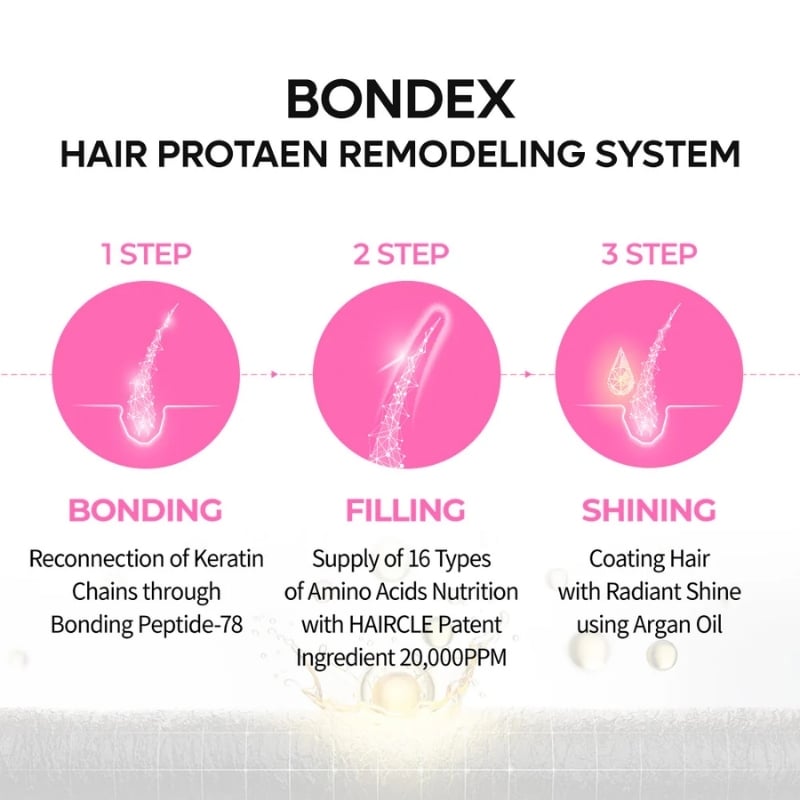
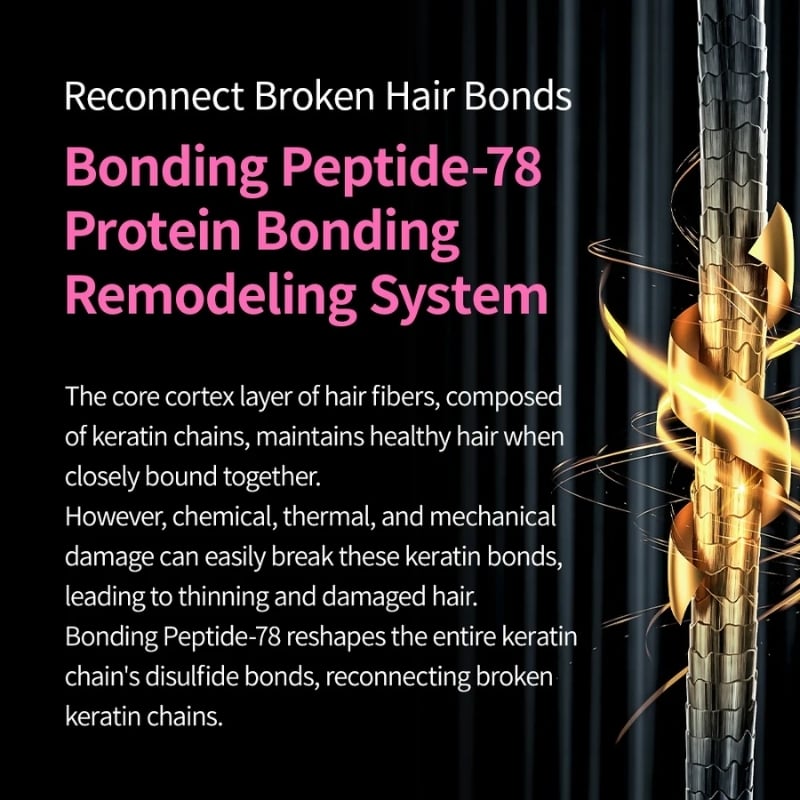
- Bonding Peptide-78: sh-Oligopeptide-78 is clearly present in the supplied INCI and corresponds to the product’s Bonding Peptide-78 positioning.
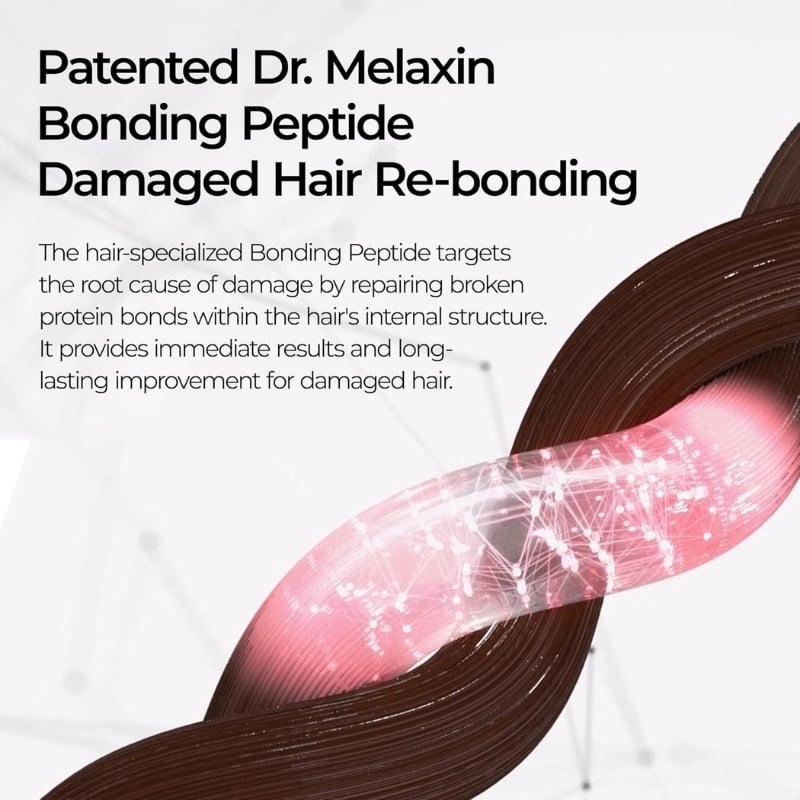
- Hair bond claims: The supplied marketing information states that Bonding Peptide-78 reconnects damaged keratin chains and disulfide bonds. The INCI confirms sh-Oligopeptide-78 is present, but the ingredient list alone cannot establish permanent reconstruction of broken internal disulfide bonds. It is more appropriate to describe the treatment as helping reinforce, condition and improve the resistance and appearance of damaged hair.
- Protein repair: Hydrolyzed proteins and peptide ingredients can temporarily reinforce and condition damaged hair, but they cannot permanently restore a physically broken hair fibre to its original undamaged state.
- Split ends: The treatment can coat and smooth split-looking ends, helping them appear less frayed, but an existing split end cannot be permanently repaired; trimming is the only way to physically remove it.
- HAIRCLE 20,000PPM claim: The supplied description refers to a patented HAIRCLE ingredient at 20,000PPM, equivalent to 2%. However, “HAIRCLE” does not appear as an INCI name, so its exact composition and the stated concentration cannot be independently identified from the supplied ingredient list alone.
- Three plant-derived protein ingredients claim: The supplied marketing information refers to three types of plant-derived protein-containing ingredients. Hydrolyzed Barley Protein is clearly identifiable in the supplied INCI, but three separate plant-derived proteins cannot be confirmed from the ingredient names provided.
- Ingredient discrepancy: The supplied marketing description mentions Avena Strigosa Seed Extract, Citric Acid and Panthenol as moisturizing ingredients, but none of these ingredients appears in the supplied INCI. They are therefore not presented as confirmed ingredients in this description.
- Silicones: Dimethicone and Amodimethicone are clearly present. They help improve slip, smoothness, shine and resistance to friction, particularly on damaged lengths.
- Alcohol: Alcohol Denat. is present in the supplied INCI. Because this is a rinse-off conditioning treatment containing substantial fatty alcohols, silicones and conditioning agents, its overall effect cannot be judged from this ingredient in isolation.
- Fragrance: Fragrance is listed, along with Limonene, Linalool, Benzyl Salicylate and Benzyl Benzoate.
- Oils: Sunflower Seed Oil and Argan Oil are both confirmed in the supplied INCI.
How to Use:
- Shampoo the hair and rinse thoroughly.
- Gently squeeze excess water from the lengths so the treatment is not excessively diluted.
- Apply an appropriate amount through the mid-lengths and ends, concentrating on the most damaged, dry or chemically processed areas.
- Avoid applying directly to the scalp unless specifically needed, as instructed by the manufacturer.
- Gently massage or comb through the lengths with your fingers to distribute the treatment evenly.
- Leave on for 1–3 minutes.
- Rinse thoroughly with lukewarm water.
- Use according to the condition of your hair. Severely damaged hair may benefit from regular use, while fine or protein-sensitive hair may prefer less frequent application.
- If hair begins to feel unusually stiff, coated or less flexible, reduce frequency and alternate with a simpler moisturizing conditioner.
Key Ingredients:
- sh-Oligopeptide-78: The peptide associated with the product’s Bonding Peptide-78 claim, included as part of its protein-focused damaged-hair conditioning system.
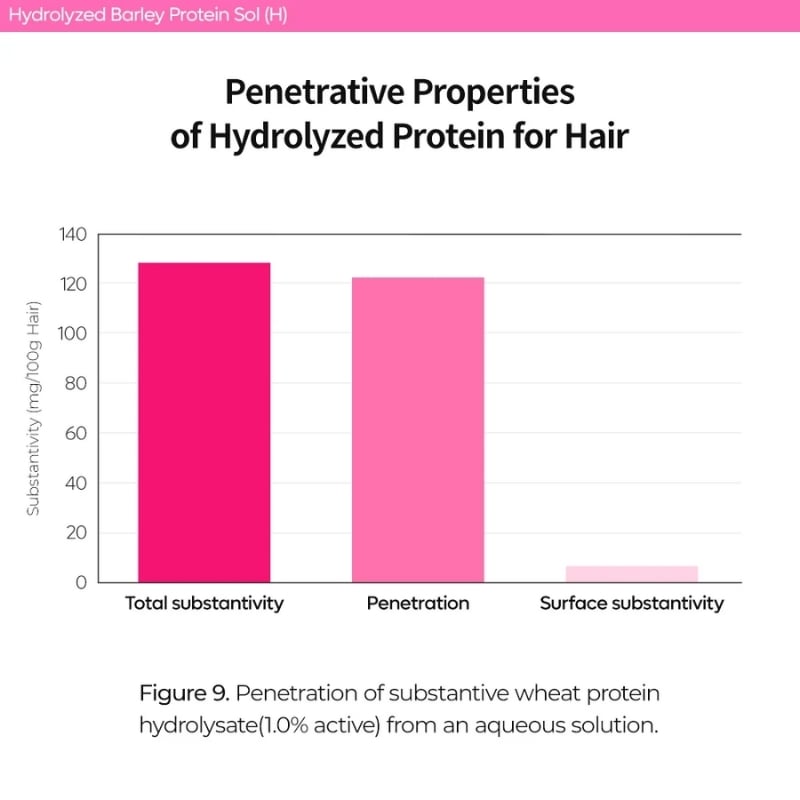
- Hydrolyzed Barley Protein: A hydrolyzed protein that can deposit onto damaged areas of the hair, helping improve surface smoothness and temporarily reinforce weakened fibres.
- Dimethicone: A conditioning silicone that coats the hair surface to improve slip, smoothness, shine and resistance to friction.
- Amodimethicone: A conditioning silicone particularly useful for damaged hair, helping smooth porous areas and reduce tangling and roughness.
- Behentrimonium Chloride: A cationic conditioning ingredient that improves softness, detangling and manageability.
- Behentrimonium Methosulfate: A conditioning agent that helps soften hair and reduce friction; despite its name, it is not a harsh cleansing sulfate.
- Argania Spinosa Kernel Oil: Argan Oil provides emollient care that helps dry, rough lengths feel softer and more supple.
- Helianthus Annuus Seed Oil: Sunflower Seed Oil helps condition and soften the hair surface.
- Cetyl Alcohol & Stearyl Alcohol: Fatty alcohols that provide softness, body and conditioning rather than the drying effect associated with volatile alcohols.
- Glutamic Acid: An amino acid included as part of the formula’s hair-conditioning system.
- Hydrogenated Lecithin: Helps condition the hair and supports a smoother formulation texture.
Ingredients:
Water,Dimethicone,Cetyl Alcohol,Behentrimonium Chloride,Stearyl Alcohol,Behentrimonium Methosulfate,Butylene Glycol,Fragrance,Alcohol Denat.,Steartrimonium Chloride,Amodimethicone,Propylene Glycol,Caprylyl Glycol,Ethylhexylglycerin,Glutamic Acid,Disodium EDTA,Streptococcus Thermophilus Ferment,Helianthus Annuus (Sunflower) Seed Oil,1,2-Hexanediol,Myristyl Alcohol,Beta-carotene,Argania Spinosa Kernel Oil,Hydrolyzed Barley Protein,Caprylic/Capric Triglyceride,Hydrogenated Lecithin,Sodium Palmitoyl Sarcosinate,sh-Oligopeptide-78,Limonene,Linalool,Benzyl Salicylate,Benzyl Benzoate
FAQ:
Q: What does Dr.Melaxin Bondex Protein Bonding Remodeling Clinic do?
A: It is a wash-off conditioning treatment designed to improve the softness, smoothness, manageability and breakage resistance of damaged hair.
Q: Is this a conditioner or a hair treatment?
A: It is an intensive rinse-off treatment. Its combination of conditioning agents, silicones, oils, protein and sh-Oligopeptide-78 makes it more targeted toward damaged hair than a basic everyday conditioner.
Q: What is Bonding Peptide-78?
A: Bonding Peptide-78 is the marketing name associated with sh-Oligopeptide-78, which is clearly listed in the supplied INCI.
Q: Does Bonding Peptide-78 really repair broken hair bonds?
A: The supplied product information describes it as reconnecting damaged keratin and disulfide bonds. The INCI confirms sh-Oligopeptide-78 is present, but the ingredient list alone cannot establish permanent reconstruction of internal disulfide bonds. The treatment is more appropriately described as helping reinforce damaged hair and improve its softness and resistance to breakage.
Q: Does it permanently repair damaged hair?
A: No cosmetic treatment can return a severely damaged hair fibre completely to its original undamaged state. Conditioning ingredients and proteins can temporarily reinforce, coat and smooth damaged areas, making the hair feel and look healthier.
Q: Does it repair split ends?
A: It can coat and smooth split-looking ends so they appear less frayed and feel softer, but it cannot permanently fuse an already split hair shaft. Trimming is required to physically remove split ends.
Q: Can it help prevent future breakage?
A: By improving conditioning, slip and resistance to friction, the treatment can help reduce mechanical stress that contributes to breakage. Healthy handling, reduced excessive heat and careful chemical processing remain important.
Q: What clinical results were reported?
A: According to the supplied clinical information, hair softness improved by up to 132.43% and hair breakage resistance improved by up to 129.32%.
Q: What does the 98% result mean?
A: The supplied information reports a 98% satisfaction rate for hair softness/product effectiveness. This represents participant satisfaction rather than an objective 98% change in the physical structure of the hair.
Q: Were the clinical tests independently verified?
A: No testing institution, participant number, test duration or full methodology was supplied, so those details cannot be independently evaluated from the provided information.
Q: Does it contain protein?
A: Yes. Hydrolyzed Barley Protein is clearly listed, and sh-Oligopeptide-78 is also present as part of the product’s peptide-focused damaged-hair care system.
Q: Does it contain three plant-derived proteins?
A: The supplied marketing information refers to three types of plant-derived protein-containing ingredients. However, Hydrolyzed Barley Protein is the only clearly identifiable plant-derived hydrolyzed protein in the supplied INCI, so three separate proteins cannot be confirmed from the ingredient list alone.
Q: What does Hydrolyzed Barley Protein do?
A: Hydrolyzed Barley Protein can deposit onto damaged areas of the hair and help temporarily improve surface strength, softness and smoothness.
Q: Can too much protein make hair feel stiff?
A: Some hair, particularly finer or less damaged hair, may feel stiff or coated when protein-rich treatments are used too frequently. If this happens, reduce frequency and alternate with a simpler moisturizing conditioner.
Q: What is HAIRCLE 20,000PPM?
A: The supplied product information refers to a patented HAIRCLE ingredient at 20,000PPM, which equals 2%. However, HAIRCLE is not an INCI name in the supplied ingredient list, so its exact ingredient composition cannot be independently identified.
Q: Does the formula contain Avena Strigosa Seed Extract?
A: No Avena Strigosa Seed Extract appears in the supplied INCI, despite being mentioned in the supplied marketing description.
Q: Does it contain Panthenol?
A: Panthenol is mentioned in the supplied marketing description but does not appear in the supplied INCI, so it cannot be confirmed as an ingredient of this formula.
Q: Does it contain Citric Acid?
A: Citric Acid is mentioned in the supplied marketing description but is not present in the supplied INCI.
Q: Does it contain Argan Oil?
A: Yes. Argania Spinosa Kernel Oil is clearly listed in the formula.
Q: Does it contain Sunflower Seed Oil?
A: Yes. Helianthus Annuus (Sunflower) Seed Oil is listed in the supplied INCI.
Q: Does it contain silicones?
A: Yes. Dimethicone and Amodimethicone are both present.
Q: Are silicones bad for damaged hair?
A: Not inherently. In a rinse-off treatment for damaged hair, silicones can be especially useful because they reduce friction, improve slip, smooth porous areas and help limit further mechanical damage.
Q: Will silicones permanently repair the hair?
A: No. They primarily coat and condition the hair surface, improving smoothness and protection from friction rather than permanently rebuilding damaged fibres.
Q: Does it contain sulfates?
A: No conventional cleansing sulfates such as Sodium Lauryl Sulfate or Sodium Laureth Sulfate are listed. Behentrimonium Methosulfate is present, but despite its name it is a conditioning ingredient rather than a harsh sulfate cleanser.
Q: Does it contain Alcohol Denat.?
A: Yes. Alcohol Denat. is listed in the supplied INCI. The overall formula is nevertheless rich in fatty alcohols, silicones and cationic conditioning ingredients and is designed to be rinsed out after a short contact time.
Q: Does it contain fragrance?
A: Yes. Fragrance is listed, along with Limonene, Linalool, Benzyl Salicylate and Benzyl Benzoate.
Q: Is it fragrance-free?
A: No. Fragrance is clearly present.
Q: Is it suitable for sensitive scalps?
A: The supplied information describes the product as non-irritative, but Fragrance and several fragrance components are present. The directions also recommend keeping the treatment off the scalp, which is particularly sensible for sensitive scalps.
Q: Is it suitable for all hair types?
A: It can be used across hair types, especially when the hair is damaged. Fine or minimally damaged hair may need a smaller amount or less frequent application because the formula is highly conditioning.
Q: Is it suitable for bleached hair?
A: Yes. Bleached hair often benefits from conditioning, friction reduction and temporary protein reinforcement, making this treatment particularly relevant for overprocessed lengths.
Q: Is it suitable for coloured hair?
A: It can be used on colour-treated hair. The formula is designed as a rinse-off conditioning treatment rather than a strong cleansing product.
Q: Is it good for heat-damaged hair?
A: Yes. It can help heat-damaged hair feel smoother, softer and more manageable, although severely damaged fibres cannot be permanently restored by a cosmetic treatment.
Q: Is it suitable for curly hair?
A: Yes. Curly and coily hair that is dry, porous or damaged can benefit from the formula’s slip and conditioning. Those who specifically avoid silicones should note that Dimethicone and Amodimethicone are present.
Q: Is it suitable for fine hair?
A: Yes, but use a smaller amount and concentrate on the most damaged ends. The rich conditioning system may weigh down very fine or low-porosity hair if overapplied.
Q: Can low-porosity hair use it?
A: It can, but low-porosity or minimally damaged hair may not need frequent protein-rich conditioning. Start with occasional use and adjust according to how your hair feels.
Q: How do I use Dr.Melaxin Bondex Protein Bonding Remodeling Clinic?
A: After shampooing, apply it to wet mid-lengths and ends while avoiding the scalp, leave for 1–3 minutes and rinse thoroughly with lukewarm water.
Q: Do I apply it before or after shampoo?
A: Apply it after shampooing.
Q: Do I need conditioner after using it?
A: Usually not. The formula already contains substantial conditioning agents, fatty alcohols and silicones. Very dry hair can add another conditioner only if additional softness is genuinely needed.
Q: How often should I use it?
A: Frequency depends on damage level. Severely damaged or bleached hair may benefit from regular use, while fine, low-porosity or less damaged hair may prefer occasional application.
Q: Can I leave it on longer than three minutes for better results?
A: The supplied directions recommend 1–3 minutes. Leaving it on substantially longer is not necessarily more effective, so following the recommended contact time is preferable.
Q: Do I need heat for the treatment to work?
A: No. The supplied product information specifically positions the Bondex system as working without a heat-treatment step.
Q: Should I apply it to my scalp?
A: No. The supplied directions recommend applying it to the wet hair while excluding the scalp.
Q: Can it help with hair loss?
A: This product is intended for damaged hair fibres and breakage rather than hair-loss treatment or stimulation of new hair growth. Sudden, severe, patchy or persistent hair loss should be assessed by a dermatologist or doctor.
Q: Can reducing breakage make my hair look fuller over time?
A: Less breakage can help preserve existing hair length and make damaged lengths appear healthier and fuller, but this is different from stimulating new hair growth.
Q: Is it a salon keratin treatment?
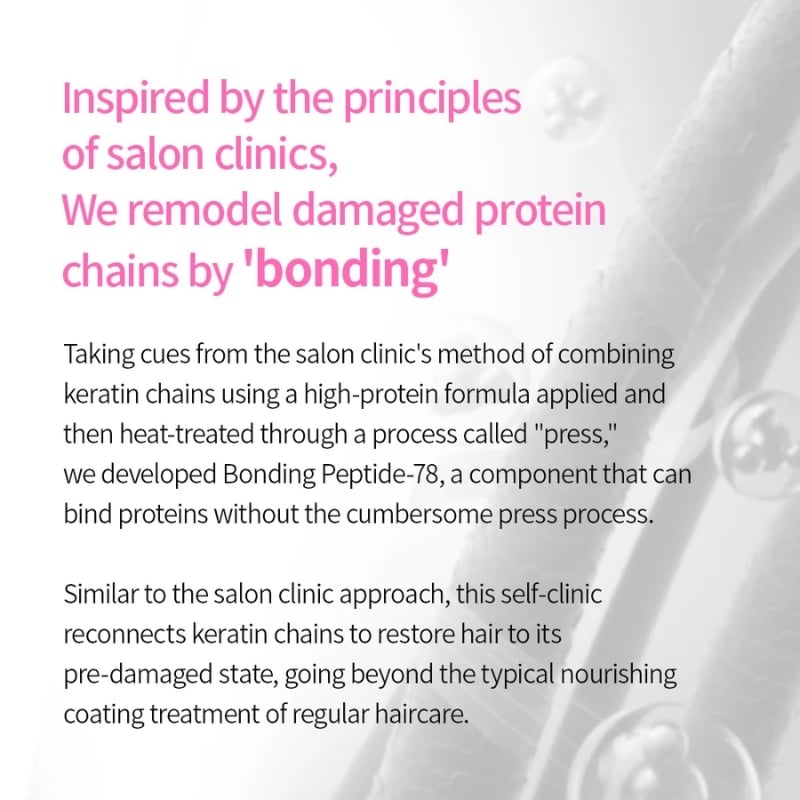
A: No. The marketing compares its protein-bonding concept with salon-grade repair care, but this is a rinse-off cosmetic treatment and should not be equated with a professional chemical keratin straightening or restructuring service.
Q: Where can I buy Dr.Melaxin hair care in Cyprus?
A: You can find Dr.Melaxin Bondex Protein Bonding Remodeling Clinic at Just Cosmetics, together with a curated selection of Korean Cosmetics in Cyprus.